Super Bowl LXI: Teams Most Likely to Lift the Lombardi Trophy
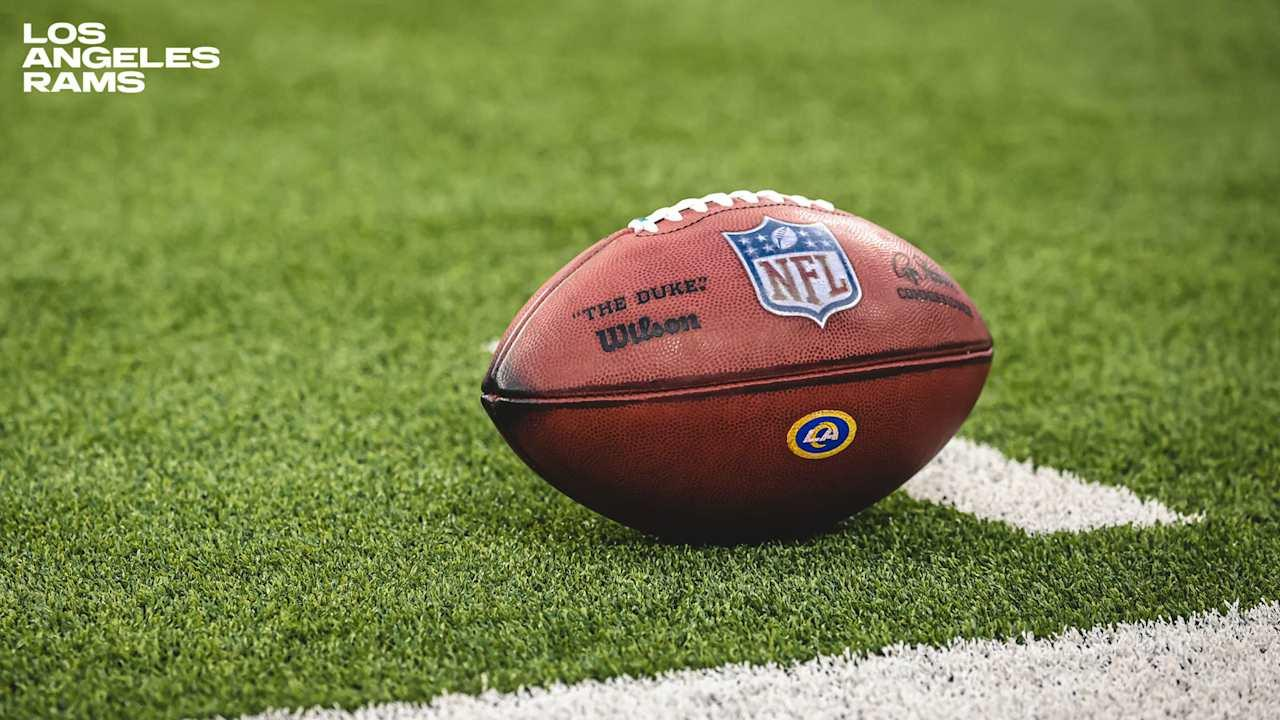
The race for Super Bowl LXI is already becoming one of the biggest storylines of the 2026 NFL season. With the regular season underway, every victory, injury and standout performance is starting to shape the road toward the biggest game in American football.
Super Bowl LXI is scheduled for February 14, 2027, at SoFi Stadium in Inglewood, California. As the season develops, fans are closely following the latest NFL updates to determine which teams have the strongest chance of making a championship run.
For fans searching for predictions on who’s going to win the Super Bowl, several teams have already separated themselves from the pack.
Los Angeles Rams: The Team to Beat?
The Los Angeles Rams currently look like one of the strongest contenders for Super Bowl LXI. Their Week 4 comeback against the Philadelphia Eagles showed the team's ability to respond under pressure.
After falling behind, the Rams scored 14 unanswered points to complete a 24-20 comeback victory. Their performance pushed them back to the top of the Super Bowl championship conversation.
Matthew Stafford's experience gives Los Angeles a major advantage, while Sean McVay continues to provide strong offensive leadership. The Rams also have a talented defense capable of making a difference during the postseason.
Playing the Super Bowl at SoFi Stadium could make their potential championship journey even more interesting.
Buffalo Bills Remain a Serious Threat
The Buffalo Bills are another team that cannot be ignored when discussing Super Bowl contenders.
Josh Allen remains one of the NFL's most dangerous quarterbacks, and Buffalo has built a roster capable of competing with the strongest teams in the league. Although the Bills suffered a Week 4 loss to New England, they entered the season with plenty of championship expectations and remain firmly in the conversation.
Interestingly, Buffalo and Los Angeles are scheduled to meet on Monday Night Football in Week 5, making their upcoming matchup one of the most closely watched games of the season.
Baltimore Ravens Could Make a Deep Run
The Baltimore Ravens also deserve attention in any discussion about predictions on who’s going to win the Super Bowl.
Lamar Jackson gives Baltimore a unique offensive threat, while the team's physical style can become especially valuable during the NFL playoffs. If the Ravens stay healthy and continue improving throughout the season, they could become one of the toughest teams to eliminate.
Their ability to create big plays while maintaining defensive pressure could make Baltimore a dangerous postseason opponent.
San Francisco 49ers Bring NFC Competition
The San Francisco 49ers remain another major NFC contender.
San Francisco has the type of balanced roster that can succeed in high-pressure playoff games. Their offense can produce explosive plays, while their defense has the potential to create game-changing moments.
If the 49ers continue building momentum, they could challenge the Rams for NFC supremacy before the postseason begins.
Seattle Seahawks Are Worth Watching
The Seattle Seahawks have also emerged as an interesting team in the championship conversation.
Their strong performances have made them a team that opponents cannot overlook. Seattle's combination of offensive production, defensive energy and postseason potential could make the NFC playoff race extremely competitive.
They may not be everyone's first choice for the Lombardi Trophy, but they could become one of the biggest surprises of the season.
What Could Decide the Super Bowl?
Several factors will ultimately determine which team reaches Super Bowl LXI.
Quarterback Performance
Elite quarterback play is usually essential during the NFL playoffs. A quarterback who can remain calm under pressure and make big throws in critical moments could determine the championship.
Defensive Strength
Defense becomes even more important in the postseason. Teams that can pressure opposing quarterbacks, stop the run and force turnovers will have a major advantage.
Injuries
The health of key players could completely change the championship picture. A healthy roster entering January could be just as important as regular-season success.
Experience Under Pressure
Playoff experience can make a significant difference. Teams that have already played in conference championship games or Super Bowls may be better prepared for high-pressure situations.
Our Super Bowl LXI Pick
Based on the current season outlook, the Los Angeles Rams look like one of the strongest choices to win Super Bowl LXI.
The Rams have the quarterback experience, coaching, defensive talent and home-field storyline that make them particularly attractive. They were also ranked as the leading Super Bowl choice by NFL.com analysts before the season, while more recent championship projections continue to place Los Angeles near the top of the field.
However, Buffalo, Baltimore, San Francisco and Seattle could all make the championship race much more difficult than expected.
The upcoming weeks of the NFL season will provide more answers, and the NFL playoffs could look completely different by January.
Follow the Latest NFL Updates on Sportzwager
The Super Bowl race will continue to change as teams fight for playoff positions and key players return from injuries.
For the latest NFL updates, playoff developments, team news and championship discussions, follow Sportzwager throughout the season.
The biggest question remains: who will ultimately lift the Lombardi Trophy at Super Bowl LXI?
Right now, the Rams have a strong case—but the NFL season is far from over.
NFL Takes Action: Two Officials Suspended After Player Incidents
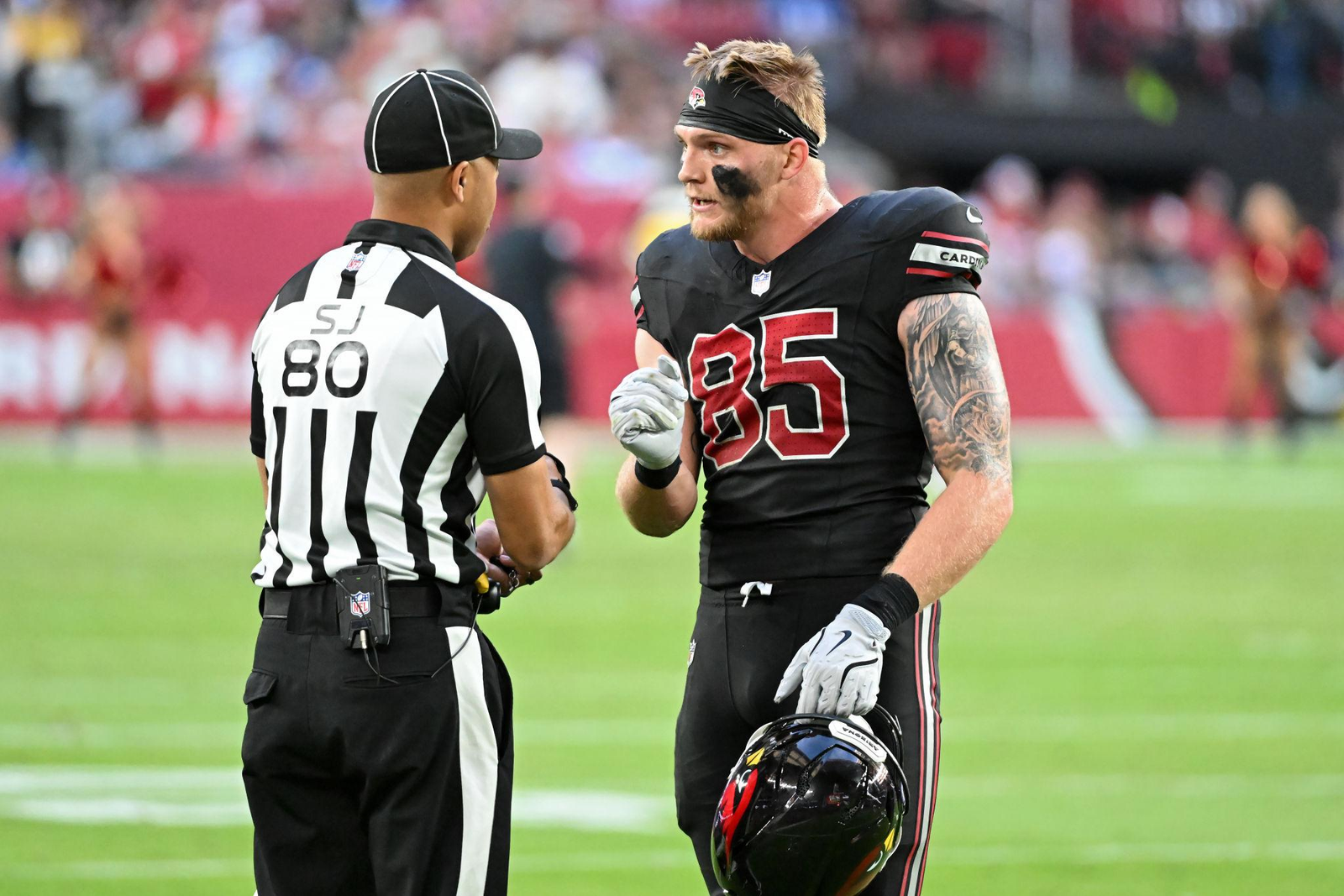
The NFL has made a strong statement about professionalism on the field by suspending two officials following separate incidents involving players during Week 4.
Line judge Jeff Seeman has been suspended for two games, while referee Adrian Hill has received a one-game suspension. The league said both officials were disciplined for unprofessional conduct toward players.
The unusual disciplinary action has created plenty of discussion around the league, with questions being raised about how officials and players should handle tense moments during games.
What Happened Between Jeff Seeman and Trey McBride?
One of the incidents occurred during the Arizona Cardinals' game against the New York Giants.
With less than five minutes remaining in the fourth quarter, Cardinals tight end Trey McBride appeared to be involved in contact with Giants defensive back Dru Phillips while attempting to make a play. No pass interference or illegal-contact penalty was called.
McBride then approached line judge Jeff Seeman to discuss the decision.
Seeman was later caught on camera appearing to use profanity toward McBride. The footage quickly attracted attention, particularly from NFL Players Association executive director JC Tretter, who said officials should be held to the same standards as players.
The NFL subsequently suspended Seeman for two games.
Adrian Hill Also Suspended
The second incident involved referee Adrian Hill during the Miami Dolphins vs. Minnesota Vikings game.
During a play that had already been stopped because of a penalty, Dolphins running back Ollie Gordon II made contact with Vikings linebacker Eric Wilson, who was then unintentionally pushed into Hill.
The collision knocked Hill down. He subsequently appeared to react angrily toward Wilson.
The league reviewed the incident and determined that Hill's response amounted to unprofessional conduct toward a player. He was therefore given a one-game suspension.
Why the NFL's Decision Matters
Officials have one of the most difficult jobs in professional football. They have to make split-second decisions while dealing with intense pressure from players, coaches, and fans.
At the same time, the league expects officials to remain professional even when emotions run high.
The two suspensions demonstrate that the NFL's expectations for conduct extend beyond players. The league's decision also comes at a time when interactions between officials and players are receiving increased attention.
The NFL rulebook includes standards covering non-player conduct and the behavior of officials, reinforcing the importance of maintaining control and professionalism during games.
NFL Referees' Union Pushes Back
The story did not end with the suspensions.
The NFL Referees Association is challenging the penalties, describing them as excessive and inconsistent with previous disciplinary decisions. The union wants to discuss clearer standards for handling future incidents involving officials and players.
NFLRA executive director Scott Green has also emphasized that officials should be professional, while arguing that players and coaches must be held accountable for inappropriate treatment of officials as well.
That creates an important question for the league: How should accountability work when tensions rise between players and officials?
A Bigger Conversation About Accountability
Football is an emotional game. Players can become frustrated after missed calls, while officials must make difficult decisions in real time.
The incidents involving Seeman and Hill show how quickly an ordinary interaction can become a major story.
For the NFL, maintaining respect on both sides is important. Players need to respect officials, and officials must also maintain professionalism when communicating with players.
The recent suspensions could therefore become part of a wider conversation about how the league handles player-official interactions in the future.
What Happens Next?
With the 2026 season moving forward, attention will now turn to how the league, officials, players, and their respective organizations respond to these incidents.
The NFL Referees Association is expected to continue discussions with the league about disciplinary standards, while the NFL will continue emphasizing professional conduct across the field.
For fans, the situation is another reminder that NFL storylines extend beyond touchdowns and final scores. From controversial calls and player reactions to league decisions and disciplinary actions, there is always something happening around the sport.
Stay Updated With the Latest NFL News
The 2026 NFL season is already producing plenty of memorable moments, and the suspensions of Jeff Seeman and Adrian Hill have added another unexpected storyline.
Whether you're following player performances, injuries, team developments, controversial moments, or league decisions, keeping up with the latest NFL news helps you understand the bigger picture.
For more breaking stories, league updates, and engaging football coverage, keep following Sportzwager.
Stay informed. Stay connected. Stay ahead of the latest NFL action with Sportzwager.
NFL Game Outlook: Matchup Analysis and Projected Winners
The NFL season is moving quickly, and every week brings new storylines, difficult matchups and opportunities for teams to strengthen their position. As Week 5 approaches, fans are looking closely at team form, recent performances, injuries and key player matchups to determine which teams could have the edge.
For fans searching for NFL picks, this type of matchup analysis provides a useful alternative by focusing on team performance and projected outcomes rather than simply choosing a side.
What to Watch in NFL Week 5
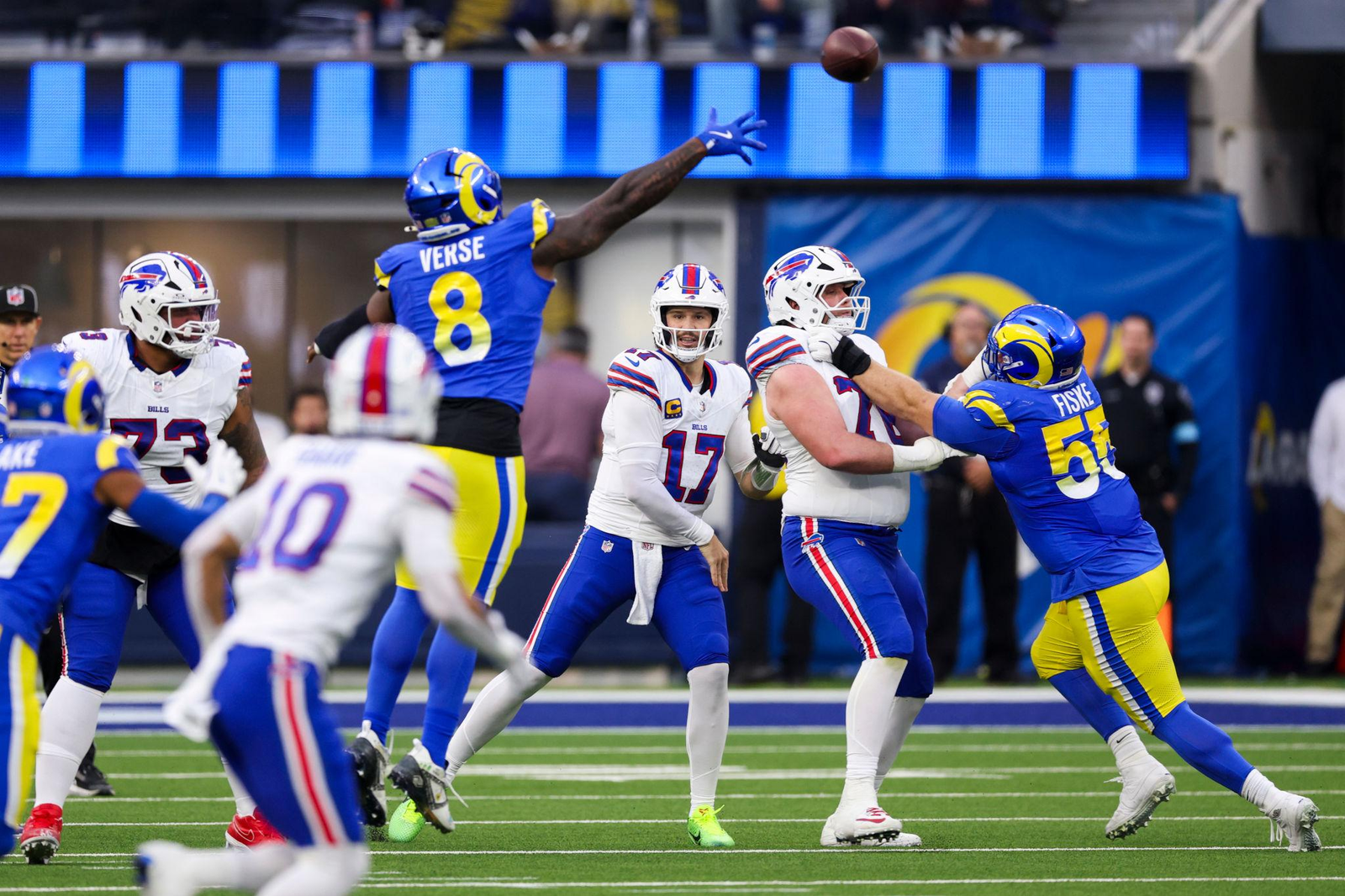
Week 5 features several intriguing matchups across the league. The schedule includes the Tampa Bay Buccaneers visiting the Dallas Cowboys on Thursday, followed by a full Sunday slate and the Buffalo Bills facing the Los Angeles Rams on Monday night.
One of the most anticipated games is the NFC West meeting between the San Francisco 49ers and Seattle Seahawks. The matchup has received additional national attention after the NFL moved it into FOX's featured late-afternoon broadcast window.
Team Form Matters
Recent results can provide important clues when evaluating an upcoming NFL matchup. Teams entering a game with strong offensive production, consistent defensive play and healthy key players may have an advantage.
However, football can change quickly. A single turnover, injury or special-teams play can completely alter the direction of a game. That makes it important to consider several factors rather than relying on one statistic.
Key Factors for NFL Game Analysis
When developing NFL game selections, fans can look at:
- Recent team performance
- Quarterback form
- Offensive and defensive efficiency
- Injury reports
- Home-field advantage
- Turnover margin
- Running-game performance
- Strength of schedule
- Recent head-to-head results
These factors can help create a more complete picture of each matchup.
49ers vs. Seahawks: A Matchup to Watch
The San Francisco 49ers and Seattle Seahawks could be one of the standout games of Week 5. San Francisco entered the early part of the season with an unbeaten record, while Seattle remained close behind in the NFC West.
The increased national coverage adds another layer of interest to this rivalry. Both teams will be looking to establish themselves in the division, making this a matchup worth following closely.
Bills vs. Rams
Monday night's Buffalo Bills vs. Los Angeles Rams matchup is another game attracting significant attention. The Bills suffered their first loss of the season against New England in Week 4, while the Rams are coming off a 24-20 victory over the Philadelphia Eagles.
The matchup should provide an interesting test for both teams, particularly as they look to improve their position heading deeper into the season.
Projected Winners and Game Outlook
Instead of focusing only on traditional NFL picks, fans can evaluate projected winners by examining how each team's strengths match up against its opponent.
A strong game outlook should consider the complete matchup, including quarterback play, defensive pressure, offensive consistency and recent team momentum. This approach can help fans better understand why one team may have an advantage.
Final Thoughts
The NFL provides new storylines every week, and Week 5 is no different. From the 49ers-Seahawks rivalry to the Bills-Rams Monday night matchup, there are several games worth watching.
For the latest NFL updates, game previews, team analysis and projected winners, follow Sportzwager for regular coverage throughout the NFL season.
NFL Predictions: Who Could Win Super Bowl LXI in 2027?
The 2026 NFL season is already changing the Super Bowl picture after just three weeks of regular-season action. With Super Bowl LXI scheduled for February 14, 2027, at SoFi Stadium in Inglewood, California, several teams have established themselves as serious championship contenders.
While it is far too early to know which team will lift the Lombardi Trophy, the early season provides plenty of information for making an NFL Super Bowl prediction.
The Los Angeles Rams and Buffalo Bills are currently at the top of the championship market, while the Baltimore Ravens, San Francisco 49ers, Seattle Seahawks and Kansas City Chiefs remain prominent contenders.
Los Angeles Rams
The Rams entered the 2026 season with major expectations after making significant offseason moves, including the addition of star defensive lineman Myles Garrett.
Los Angeles currently sits among the leading Super Bowl contenders despite starting the season 1-2. The Rams suffered a 30-26 loss to the Denver Broncos in Week 3 after holding a 16-point halftime lead.
The team's potential remains tied to quarterback Matthew Stafford, an experienced postseason performer, and a defense that could become one of the league's most disruptive units.
If the Rams improve their consistency and get key players such as Puka Nacua and Myles Garrett fully available, they could remain a major factor in the NFC.
Buffalo Bills
The Buffalo Bills are another prominent name in the NFL predictions for the Super Bowl.
Quarterback Josh Allen remains the centerpiece of the Bills' offense. Buffalo opened the season with wins over Houston and Detroit, giving the team an early foundation for another championship push.
The Bills have regularly reached the postseason during Allen's tenure, but winning the Super Bowl remains the major objective.
Their combination of quarterback talent, offensive explosiveness and AFC experience makes Buffalo one of the teams to watch throughout the season.
Baltimore Ravens
The Baltimore Ravens are also firmly in the Super Bowl conversation.
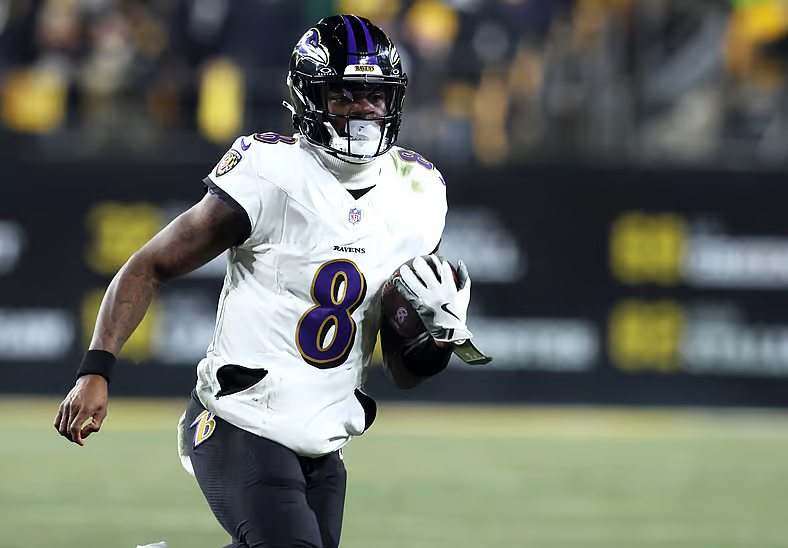
Lamar Jackson gives Baltimore one of the NFL's most dynamic offensive weapons, while the Ravens have built a roster capable of competing against the AFC's strongest teams.
Current championship markets place Baltimore behind Buffalo and Los Angeles but still among the leading contenders.
The Ravens' biggest challenge will be maintaining consistency through a difficult AFC schedule and reaching the postseason healthy.
San Francisco 49ers
The San Francisco 49ers remain one of the NFC's biggest championship contenders.
San Francisco began the season strongly and has received significant attention because of its offensive talent and defensive depth. Current championship markets place the 49ers among the teams closest to the top of the Super Bowl picture.
Quarterback Brock Purdy will be central to the team's championship hopes. If the 49ers can maintain their early-season form, they could have another opportunity to make a deep playoff run.
Seattle Seahawks
The Seattle Seahawks enter the 2026 season as the defending Super Bowl champions.
Seattle won the previous Super Bowl and now faces the difficult challenge of trying to repeat. The team lost Super Bowl MVP Kenneth Walker III during the offseason after he joined Kansas City, creating an important change to the defending champions' roster.
A successful title defense would require Seattle to handle increased expectations while navigating another demanding NFC schedule.
Kansas City Chiefs
The Kansas City Chiefs should never be ignored in an NFL Super Bowl prediction.
Patrick Mahomes and the Chiefs have extensive postseason experience, and Kansas City has repeatedly demonstrated its ability to compete for championships.
Mahomes entered the 2026 season recovering from an ACL injury, but the Chiefs opened the season with a 2-0 record before defeating Miami 24-10 in Week 3.
If Mahomes continues to regain his full form, Kansas City could become increasingly dangerous as the season progresses.
Cincinnati Bengals Could Be a Dark-Horse Contender
The Cincinnati Bengals are another team attracting attention.
Joe Burrow gives Cincinnati an established quarterback capable of leading a postseason run, while the team made significant defensive additions during the offseason.
Some preseason NFL analysts even selected the Bengals to reach and win Super Bowl LXI, demonstrating how wide open the championship race looked before the season began.
The Bengals will need to prove that their improved defense can consistently perform against the AFC's strongest offenses.
What Will Decide Super Bowl LXI?
Several factors will shape the championship race during the next several months.
Quarterback Play
The NFL's top contenders generally have quarterbacks capable of making critical plays in high-pressure situations. Josh Allen, Matthew Stafford, Lamar Jackson, Patrick Mahomes and Brock Purdy will all be closely watched.
Defensive Performance
A strong defense can become particularly important once the playoffs begin. The Rams' addition of Myles Garrett has given their defense another major pass-rushing weapon.
Injuries
Health could completely change the Super Bowl picture. The 2026 season is still in its early stages, meaning injuries and player availability will remain major factors.
Playoff Position
Getting into the postseason is only the first step. Teams will need to survive multiple playoff games against the best competition in the AFC and NFC.
NFL Super Bowl Prediction
Based on the early 2026 season picture, the Los Angeles Rams, Buffalo Bills, Baltimore Ravens, San Francisco 49ers, Seattle Seahawks and Kansas City Chiefs are among the teams with the clearest paths toward Super Bowl LXI.
The Rams have the defensive talent and veteran quarterback experience to make a serious NFC run. Buffalo has Josh Allen and a strong early-season start. San Francisco brings a balanced roster, while Kansas City has championship experience.
The eventual result, however, will depend on how these teams perform over the remaining regular season and playoffs.
Final Thoughts
The 2026 NFL season is still in its early stages, so any NFL predictions for the Super Bowl should be viewed as an early snapshot rather than a final conclusion.
The Rams and Bills currently occupy the top tier of the championship conversation, while the Ravens, 49ers, Seahawks and Chiefs remain important contenders.
With Super Bowl LXI taking place at SoFi Stadium on February 14, 2027, there is still a long road ahead before the next NFL champion is decided.
Breaking NFL News and Rumors: Latest Updates, Injuries and Trade Buzz
The 2026 NFL season is moving quickly, and the latest developments around the league are creating plenty of headlines heading into Week 4. From quarterback uncertainty and roster moves to injuries and potential trade discussions, NFL teams are already making decisions that could shape the weeks ahead.
Here is a look at some of the latest NFL news and rumors making headlines around the league.
Giants Face Quarterback Questions After Jaxson Dart Injury
The New York Giants are facing an important quarterback situation after Jaxson Dart was ruled out for the season. Jameis Winston has taken over, but the team's quarterback situation has also fueled speculation about whether New York could explore another veteran option.
One name that has surfaced in the rumor cycle is Cincinnati Bengals backup quarterback Joe Flacco. However, Flacco himself pushed back on reports suggesting that a trade to the Giants was expected, saying the speculation was not true.
For now, the Giants will have to evaluate their options while Winston handles the starting role.
Odell Beckham Jr. Released by the Giants
The Giants have also made a notable roster move involving veteran wide receiver Odell Beckham Jr.
NFL Network reported on September 29 that New York was releasing Beckham after three games. Beckham played only 19 offensive snaps, received one target and did not record a catch during his brief return to the team.
The move raises questions about what comes next for the veteran receiver. With the NFL season underway, another team could potentially consider Beckham if it needs additional wide receiver depth.
Steelers-Giants Trade Rumors Continue
Trade speculation is also surrounding the Pittsburgh Steelers and cornerback Joey Porter Jr.
Recent reports and speculation have discussed the possibility of Porter becoming involved in trade talks, while proposed scenarios have connected the Steelers and Giants. These are currently reported as rumors and potential trade concepts rather than a completed transaction.
As the season progresses, teams dealing with injuries or roster weaknesses could become more active on the trade market.
Panthers Lose Damien Lewis to Injury
The Carolina Panthers received difficult injury news heading into Week 4. Starting left guard Damien Lewis is expected to miss several weeks after suffering a UCL injury to his elbow.
Lewis was injured during Carolina's Week 3 loss to Cleveland but returned to finish the game. NFL Network reported that he is expected to miss time, with Carolina's upcoming bye week potentially helping his recovery timeline.
His absence could create another challenge for a Panthers offensive line preparing for the next stretch of the season.
49ers Dealing With More Injury Concerns
The San Francisco 49ers are also monitoring several important injuries.
Defensive end Nick Bosa is expected to miss the team's Week 4 matchup against the Denver Broncos because of a calf injury. Wide receiver Mike Evans, meanwhile, is dealing with a rib strain but reportedly does not have a significant injury following further evaluation.
San Francisco already has multiple wide receivers on injured reserve, making Evans' practice participation an important storyline during the week.
Week 4 Brings More NFL Storylines
Week 4 is set to provide another major test for teams across the league. Several matchups feature teams trying to build momentum after three games, while others are dealing with injuries or questions surrounding their rosters.
Among the scheduled Week 4 games are:
- Pittsburgh Steelers vs. Cleveland Browns
- Indianapolis Colts vs. Washington Commanders
- New England Patriots vs. Buffalo Bills
- Dallas Cowboys vs. Houston Texans
- Los Angeles Rams vs. Philadelphia Eagles
- Kansas City Chiefs vs. Las Vegas Raiders
- Los Angeles Chargers vs. Seattle Seahawks
- Denver Broncos vs. San Francisco 49ers
- Detroit Lions vs. Carolina Panthers
The Steelers and Browns are scheduled to open Week 4 on Thursday night, while the remainder of the slate follows on Sunday.
NFL Rumors Could Heat Up as the Season Continues
The early portion of the 2026 season has already produced significant roster changes, injuries and quarterback storylines. With the trade market potentially becoming more active, teams could continue searching for solutions at key positions.
Quarterback depth, wide receiver availability, offensive-line injuries and defensive needs are among the areas worth monitoring as Week 4 develops.
For fans following the latest NFL news, rumors, injuries, roster moves and team updates, the coming days could bring another wave of developments.
Final Thoughts
The NFL landscape can change quickly during the regular season. The Giants' quarterback situation, Odell Beckham Jr.'s release, the latest trade speculation and significant injuries around the league are among the stories currently drawing attention.
As Week 4 approaches, fans will be watching closely for official team announcements, injury updates and any new developments on the trade front.
NFL Week 4: Matchups, Point Spreads and Key Storylines
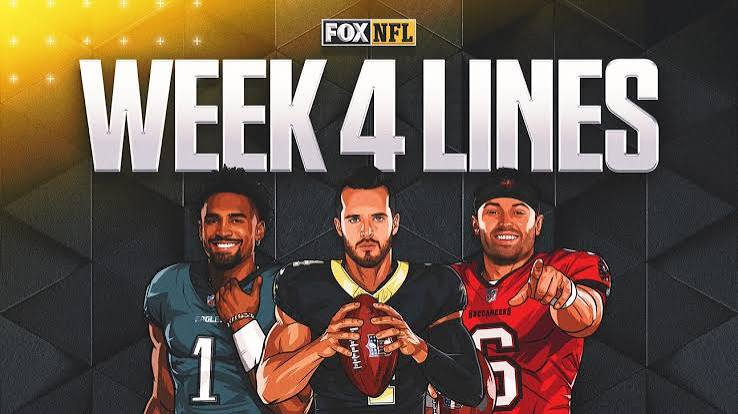
The 2026 NFL season is moving into Week 4, bringing another slate of important matchups across the league. With teams continuing to find their rhythm, fans are closely following schedules, player performances, injuries and the latest point spreads surrounding upcoming games.
Week 4 also features several divisional and conference matchups that could provide an early indication of how teams are shaping up for the rest of the season.
Steelers vs. Browns
The Pittsburgh Steelers are scheduled to face the Cleveland Browns on October 1 in an AFC North matchup.
The game is expected to attract plenty of attention because of the division rivalry. Pittsburgh enters the matchup after a 30-27 win over the Cincinnati Bengals in Week 3, while Cleveland recently defeated the Carolina Panthers 21-18.
Quarterback play, defensive pressure and turnover control could be important factors when the two teams meet.
Patriots vs. Bills
The New England Patriots will travel to Buffalo to face the Bills.
Buffalo has established itself as one of the teams to watch in the AFC, while New England will look to put together a strong performance against a divisional opponent.
The latest point spread has Buffalo listed as a favorite, although the number can change as the week progresses and more team information becomes available.
Rams vs. Eagles
The Los Angeles Rams and Philadelphia Eagles are also scheduled to meet during Week 4.
Both teams have high-profile offensive players, making the matchup particularly interesting for NFL fans. The performance of the quarterbacks, offensive lines and secondary units could have a major influence on the game.
The Rams are currently listed as a small favorite in the latest published point spread.
Jets vs. Bears
The New York Jets will face the Chicago Bears in another Week 4 matchup.
Chicago enters the game after a 31-24 loss to the Detroit Lions, while the Jets also fell to Detroit in Week 3.
Both teams will be looking for a response, making this an important opportunity to improve their position early in the season.
Jaguars vs. Bengals
The Jacksonville Jaguars and Cincinnati Bengals are scheduled to meet in Week 4.
The Bengals will be looking to bounce back after their narrow loss to Pittsburgh, while Jacksonville will aim to make an impact on the road.
The matchup could become particularly interesting if both offenses establish a strong passing attack early.
Chargers vs. Seahawks
The Los Angeles Chargers are set to face the Seattle Seahawks.
Seattle enters the matchup after a high-scoring 33-31 loss to Washington, while the Chargers suffered a 24-16 defeat against Buffalo.
The latest point spread lists Seattle as a favorite, but player availability and developments during the week could affect the line.
What to Watch During Week 4
Several factors could shape the upcoming NFL games:
- Quarterback performance: Strong decision-making could be crucial in close matchups.
- Injury reports: The availability of key players can change a team's approach.
- Defensive pressure: Pass rush and third-down defense could influence several games.
- Turnovers: Giving away possessions can quickly change the direction of a game.
- Home-field advantage: Teams playing at home will look to use their surroundings to their benefit.
- Recent form: Early-season performances provide useful context but do not necessarily determine future results.
Point Spreads Can Change
Point spreads published early in the week are not necessarily the same numbers available closer to kickoff.
Changes can occur after injury announcements, lineup updates, weather developments and other team news. Readers should therefore check the latest information before each game.
NFL Week 4 Schedule
Week 4 begins with the Steelers visiting the Browns on October 1. Additional matchups will take place throughout the weekend, giving fans another full slate of NFL action.
As the season progresses, performances in these games will provide more information about team strengths, weaknesses and potential playoff positioning.
Final Thoughts
NFL Week 4 features several intriguing matchups, from the Steelers-Browns divisional rivalry to the Rams-Eagles and Patriots-Bills contests.
With the 2026 season still in its early stages, every game provides teams with another opportunity to build momentum and address weaknesses. Fans can follow the latest schedules, player updates, team statistics and point spreads as kickoff approaches.
NFL News: Latest Updates and Stories from Around the League
The NFL is one of the most followed sports leagues in the United States, with new stories developing throughout the season. From team developments and player performances to major league announcements, fans have plenty to follow every week.
For readers looking for the latest NFL News, Sportzwager provides a dedicated place to stay informed about important developments from around the league.
Stay Updated With the Latest NFL News
The NFL season is filled with constantly changing storylines. Teams make roster adjustments, players take on new roles, and important developments can emerge before and after games.
Following NFL News helps fans stay informed about what is happening across the league. Regular updates can cover team developments, player stories, coaching decisions, game-related news and other important events.
Sportzwager brings these updates together so football fans can follow the latest stories in one place.
NFL Teams and Players in the Spotlight
Every NFL team has its own storylines during the season. Some teams may be focused on building momentum, while others may be dealing with roster changes or preparing for important upcoming games.
Player performances are also a major part of NFL News. Quarterbacks, running backs, wide receivers and defensive players can all become part of the biggest stories throughout the season.
With regular coverage, Sportzwager helps readers follow developments involving teams and players across the NFL.
Important NFL Developments
NFL stories can develop quickly during the regular season. A roster move, player update, coaching decision or standout performance can become an important part of the league's ongoing coverage.
This makes following current NFL News particularly useful for fans who want to understand how teams and players are progressing throughout the season.
Sportzwager focuses on bringing relevant NFL stories to readers while keeping the coverage easy to follow.
Follow NFL News on Sportzwager
For football fans who want to keep up with the latest developments, NFL News offers a convenient way to follow the league throughout the season.
From team stories and player developments to major events around the league, Sportzwager provides regular NFL coverage for fans looking to stay informed.
Visit the Sportzwager NFL News section regularly for the latest updates and stories from around the league.
NFL QB Rankings Week 3: Patrick Mahomes, Dak Prescott and Matthew Stafford Heat Up
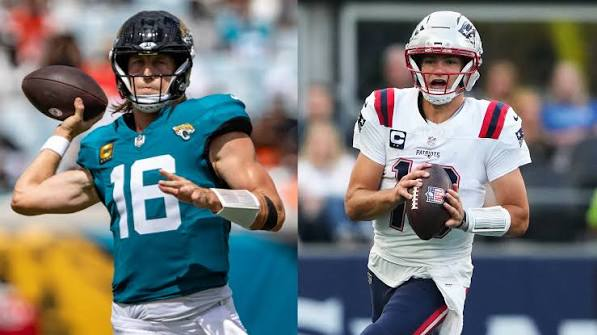
The 2026 NFL season is only two weeks old, but several quarterbacks have already made significant moves in the latest Week 3 rankings.
Patrick Mahomes, Dak Prescott and Matthew Stafford are among the biggest names gaining momentum after strong performances in Week 2. NFL.com's latest quarterback rankings have all three inside the top five, while Josh Allen remains at No. 1.
Patrick Mahomes Moves Up to No. 2
Patrick Mahomes has made an early-season jump in the latest rankings, moving up three spots to No. 2.
The Kansas City Chiefs quarterback has thrown for 566 yards and five touchdowns through two games, completing 63.5% of his passes. He has also added 40 rushing yards and a rushing touchdown.
Mahomes delivered another big performance in Week 2 against the Indianapolis Colts, throwing for 382 yards as Kansas City won 33-30 in overtime.
His early production has placed him directly behind Buffalo Bills quarterback Josh Allen in NFL.com's Week 3 rankings.
Dak Prescott Enters the Top Five
Dak Prescott is another major riser.
The Dallas Cowboys quarterback climbed two spots to No. 4 after leading Dallas to a convincing 37-20 victory over Washington in Week 2.
Prescott completed 73.8% of his passes through the first two games and has recorded 454 passing yards, six touchdowns and one interception.
His Week 2 performance was particularly notable. Prescott threw four touchdown passes against Washington and became the Cowboys' all-time leader in touchdown passes, passing Tony Romo's previous franchise record of 248.
The connection between Prescott and wide receiver CeeDee Lamb was also a major factor in Dallas' offensive performance.
Matthew Stafford Makes a Major Jump
Matthew Stafford has also moved sharply upward in the latest rankings.
The Los Angeles Rams quarterback climbed six spots to No. 5, giving him one of the biggest jumps among quarterbacks entering Week 3.
Stafford has thrown for 482 yards and four touchdowns through two games, averaging 8.6 yards per attempt. He also helped the Rams produce a dominant 28-6 victory over the New York Giants in Week 2.
Stafford's performance against New York was particularly significant because the Rams defense also played a major role in controlling the game. The victory moved Los Angeles to 1-1 after two weeks.
Brock Purdy Also Makes a Huge Move
While Mahomes, Prescott and Stafford are attracting attention, Brock Purdy has arguably made the biggest jump in the current rankings.
Purdy moved all the way to No. 3, up five spots from his previous position. He has completed an impressive 80.4% of his passes through two games, with 492 passing yards, five touchdowns and one interception.
Against Miami in Week 2, Purdy completed 20 of 22 passes for 287 yards and two touchdowns while adding a rushing touchdown. His performance produced a 149.1 passer rating.
Josh Allen Remains at No. 1
Josh Allen continues to occupy the top position in NFL.com's Week 3 quarterback rankings.
Through two games, Allen has thrown for 582 yards and five touchdowns without an interception, while also contributing 92 rushing yards and four rushing touchdowns.
That gives Allen a league-leading statistical profile among the quarterbacks featured in the top tier of the latest rankings.
🏈 NFL Week 3 QB Rankings: Top Five
According to NFL.com's latest rankings, the top five quarterbacks entering Week 3 are:
- Josh Allen — Buffalo Bills
- Patrick Mahomes — Kansas City Chiefs
- Brock Purdy — San Francisco 49ers
- Dak Prescott — Dallas Cowboys
- Matthew Stafford — Los Angeles Rams
The rankings are based on NFL.com's QB Index and reflect movement following the first two games of the 2026 regular season.
What to Watch in Week 3
The next slate of games will provide another opportunity for the league's leading quarterbacks to strengthen their early-season performances.
Mahomes and the Chiefs will face the Miami Dolphins, while Prescott and the Cowboys will meet the Baltimore Ravens. Stafford and the Rams will travel to Denver to face the Broncos.
With the season still in its early stages, the quarterback rankings could change significantly over the next few weeks. For now, Allen remains at the top, while Mahomes, Purdy, Prescott and Stafford have established themselves among the leading performers after two games.
Baltimore Ravens vs. Cleveland Browns: A Key AFC North Clash Awaits
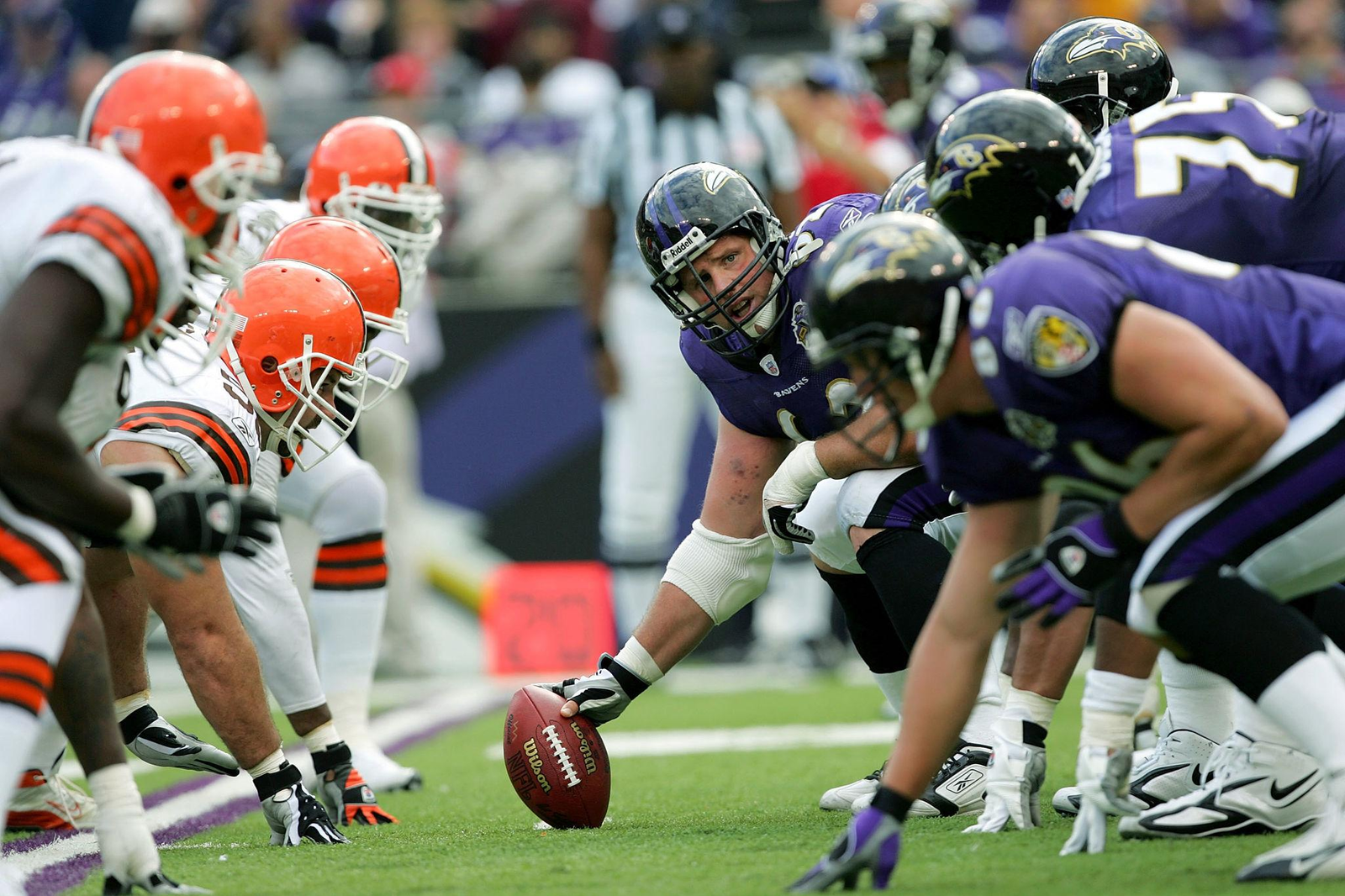
The Baltimore Ravens and Cleveland Browns are set to renew one of the NFL's most physical divisional rivalries when they meet on Sunday, December 27, 2026, at M&T Bank Stadium in Baltimore.
According to the current NFL schedule, the Browns will travel to Baltimore for a 1:00 p.m. ET kickoff. With the game arriving late in the regular season, the AFC North matchup could carry major implications for the playoff race.
Ravens and Browns Set for Another AFC North Battle
Whenever Baltimore and Cleveland meet, the game usually comes with plenty of intensity. Both teams play in the highly competitive AFC North, where divisional games can have a major impact on playoff positioning.
The December meeting will be the second matchup between the Ravens and Browns during the 2026 regular season. Their first scheduled meeting is October 18 in Cleveland before the rivalry shifts to Baltimore in Week 16.
That second meeting could prove especially important if the teams are fighting for playoff positions or divisional supremacy.
Baltimore Gets Home-Field Advantage
The Ravens will enter the December contest with the benefit of playing at M&T Bank Stadium.
Home-field advantage can be particularly valuable in a divisional matchup. Baltimore's fans are expected to create a loud environment, putting additional pressure on Cleveland during crucial third-down situations and late-game drives.
The Ravens' December schedule also features divisional games against Pittsburgh, Cleveland and Cincinnati, creating a demanding stretch as the regular season approaches its conclusion.
Cleveland Faces a Major Road Test
For the Browns, this will be an opportunity to make a statement against a familiar AFC North opponent.
Winning on the road against Baltimore could provide Cleveland with more than just another victory. A divisional win could improve its playoff position while simultaneously preventing the Ravens from collecting an important conference victory.
The Browns will need to execute efficiently and avoid giving Baltimore short fields through turnovers.
Key Factors That Could Decide the Game
Quarterback Performance
Quarterback play could be one of the biggest deciding factors. Against a familiar opponent, quarterbacks must recognize defensive tendencies, make quick decisions and protect the football. One costly interception or late-game mistake could dramatically change the result.
Running Game
The running game should also receive plenty of attention. A strong rushing attack can help establish physical control, keep the opposing offense on the sideline and create favorable situations on third down. In a traditional AFC North battle, winning the line of scrimmage could be essential.
Defensive Pressure
Defense may ultimately determine who wins. Both teams know each other's personnel and tendencies, making pressure, third-down defense and turnovers particularly important. A defense that can consistently create negative plays could give its offense the advantage it needs.
Why This Week 16 Matchup Matters
The timing of this game makes it particularly intriguing. By December 27, the NFL playoff picture should be taking shape. Every victory becomes increasingly valuable, especially in a division where teams regularly compete for postseason opportunities.
A win for Baltimore could strengthen its position heading toward the final weeks of the season. For Cleveland, a road victory could provide a significant boost while damaging a divisional rival's playoff hopes.
🏈 Game Details
Baltimore Ravens vs. Cleveland Browns
December 27, 2026
M&T Bank Stadium, Baltimore
1:00 p.m. ET
🏈 Final Take
The Baltimore Ravens vs. Cleveland Browns matchup promises to be another hard-fought AFC North contest. With a late-season date, divisional implications and home-field advantage for Baltimore, there will be plenty at stake when the Browns arrive at M&T Bank Stadium.
For NFL fans, this is one AFC North matchup that could have a major impact on the road to the playoffs.
Sam Darnold Injury Update: Seahawks QB Skips Hip Fracture, MRI Pending
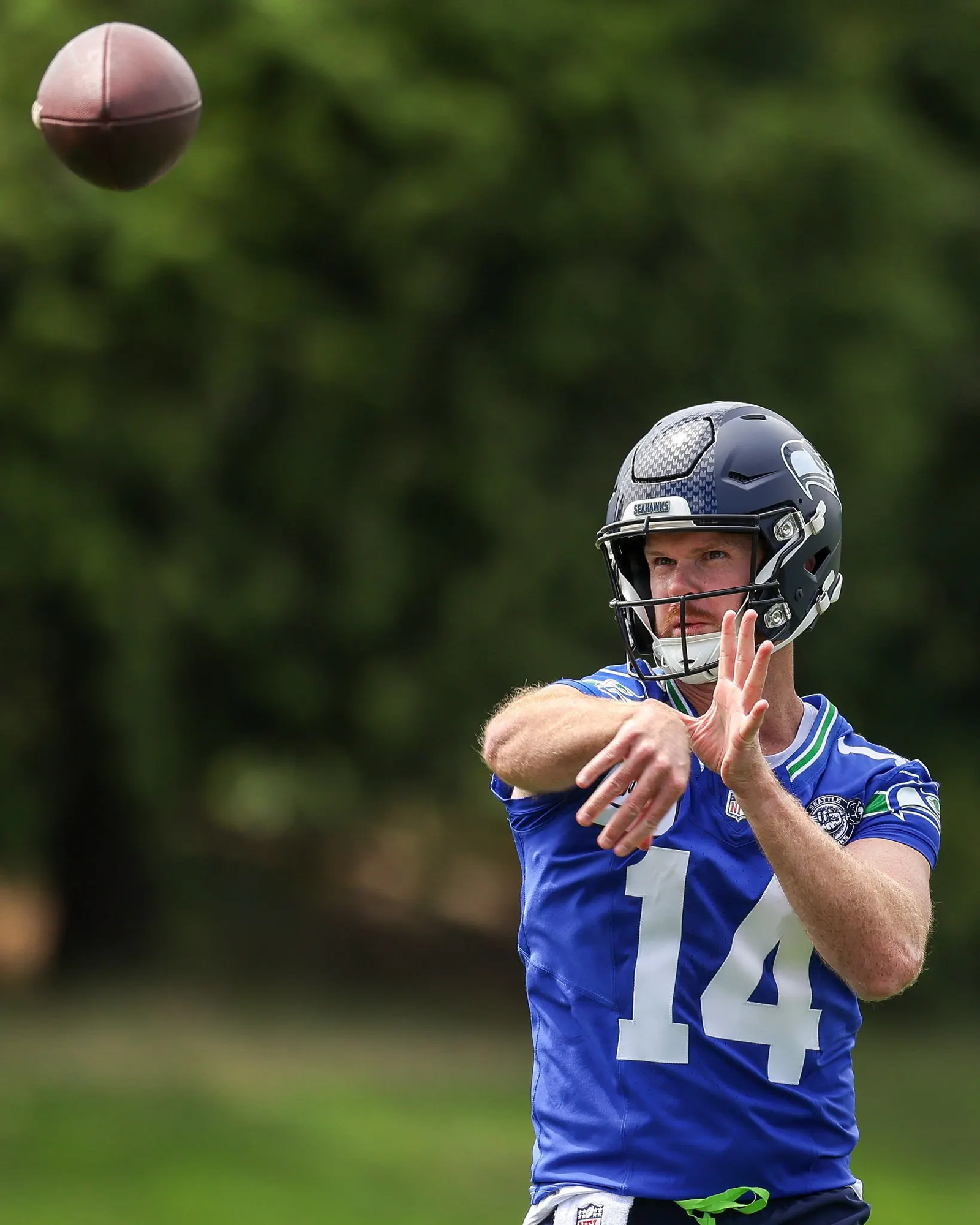
The Seattle Seahawks got very lucky news with regards to their quarterback Sam Darnold. Darnold sustained an injury to his hip during the team's season opener against NE Patriots and the next few hours were tense for his fans.
Thankfully, early tests confirmed what the Seahawks were hoping to hear - the quarterback did not suffer a hip fracture. Darnold is set to undergo an MRI on Thursday to see if he can suit up for the Mariners' next round.
Sam Darnold Sustains Hip Injury in Loss to Patriots
Darnold's injury occurred on Seattle's first offensive drive.
The Seahawks quarterback was sacked by Dolphins defensive lineman Dre'Mont Jones for a third down during the drive. Darnold was able to walk off the field himself, nevertheless, he walked with a limp.
He was taken for a medical examination and was ordered to the locker room. At first, Seahawks officials had him listed as questionable to return to the game, but eventually, they substituted him for Drew Lock.
Darnold went 1 for 2 for 13 yards before exiting the match.
Early Testing Procedures Confirm No Hip Fracture for Darnold
The best news in regards to the injury was obtained shortly after the game started.
Based on reports, initial testing procedures revealed that Sam Darnold has not sustained a hip fracture. Seahawks coach Mike Macdonald was relieved by the news, although it was not enough to determine the extent of the damage. Another scan is due on Thursday.
Darnold, again, is expected to undergo an MRI on Thursday, which should confirm whether he can suit up for the team's next match or not.
For now, the quarterback's availability is not clear. This test will confirm if he has to spend more than two weeks on the sidelines or not.
Drew Lock Completes Magical Comeback by Patriots
When Darnold was substituted for Lock, the Mariners still trailed by two points. Nevertheless, Seattle managed to pull it off and finally clinch a narrow 13-10 victory.
His replacement completed 16 of 22 passes for 187 yards and a touchdown. The Mariners' defensive line once again performed at a high level by managing to pick off Patriots' quarterback Drake Maye three times in the fourth quarter.
With Drew Lock, Seattle pulled off a narrow victory despite their starting quarterback sustaining an injury early in the first half.
Why is this News Important For Seahawks?
There is an obvious reason why Darnold and his injury are relevant not just to us but to Seahawks' management. Sam Darnold is their starting quarterback. The Mariner's threw the game for 4048 yards, 25 touchdowns and 14 picks in the regular season of 2025, leading his team to the Super Bowl.
With him, the Mariners posted an impressive 14-win season and they were leading the NFL in regular season wins since the establishment of the league.
Therefore, the next test for him will have a great impact on the public, which is currently buzzing with controversy around his injury.
If Darnold is forced to stay at home for an extended period of time, there is a suitable candidate for a replacement, who is Drew Lock. Furthermore, the Mariners have a third quarterback ready for the fight, if necessary. His name is Jalen Milroe.
What's Next?
Thursday cannot come quickly enough. The day will finally confirm what happened to Sam Darnold and whether he can return back to the field shortly or not.
Until then, Mariners fans should hold their breath with a mix of anxiety due to their quarterback's injury and relaxation due to initial tests confirming no hip fracture.
Frequently Asked Questions
What Happened to Sam Darnold?
Seattle Seahawks quarterback Sam Darnold sustained an injury when he was sacked by Patriots' defensive lineman Dre'Mont Jones. The quarterback left the match and did not return.
Did Sam Darnold suffer a hip fracture?
No. Initial tests have confirmed that he did not suffer a hip fracture. More lab work is scheduled for Thursday.
When Will Sam Darnold get an MRI?
An MRI is scheduled for Thursday to determine the condition of Darnold's hip.
Who Replaced Sam Darnold?
Drew Lock came back from the bench and performed at a high level, completing 16 of 22 passes for 187 yards and a touchdown.
Will Sam Darnold play in the Seahawks' next game?
His availability for the Mariners' next match is to be determined. Test results along with his practice performance should provide an answer within the next few days.
Final Take
While it appears that Darnold did not suffer the worst consequence after his injury during the game against the Patriots, it is still a major story that dominates the NFL news of the day. His role later in the game is still to be determined, as his next test will schedule on Thursday.
With Drew Lock providing an adequate replacement for the injured quarterback, Seahawks will have a solid position to be in if Darnold cannot go back on the field.
However, Mariners' fan will be anxiously awaiting the results from the MRI. Subscribe for more NFL news and Seattle Seahawks updates.
You may also be interested in
- How many interceptions did Sam Darnold throw in 2023
- How many touchdowns has Sam Darnold thrown for in his career
- Can Sam Darnold return to the field soon after his injury?
2026 NFL Season: Teams to Watch and the Race for the Postseason
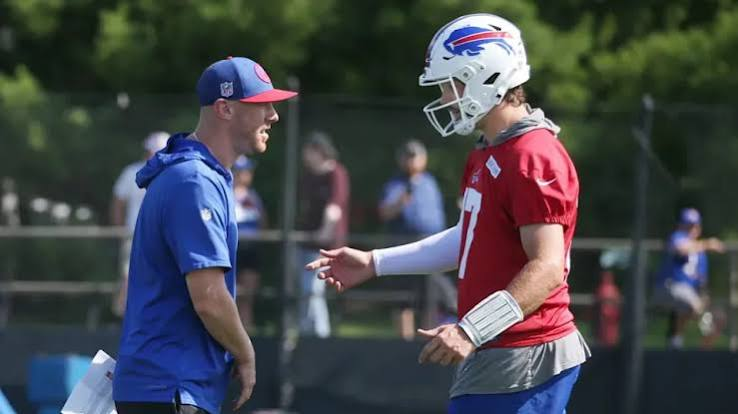
The 2026 NFL season is underway, and football fans are closely following the teams competing for important positions across the league. The latest NFL provide an indication of how different teams are currently viewed, but the NFL landscape can change quickly throughout the season.
Injuries, roster moves, game results and individual player performances can all influence a team's position. For fans following NFL news, these developments make every week important as teams look to build momentum and strengthen their position in the standings.
What Do NFL Odds Mean? Understanding the Current NFL Landscape
NFL odds are numbers that reflect how the market currently views different teams and possible outcomes. They can provide additional context when comparing teams, but they should not be treated as guarantees.
These numbers can change as the season progresses. A major injury, a key victory, a disappointing performance or an important roster move can all influence how a team is viewed.
For fans, following the movement of these numbers alongside actual team performances can provide another perspective on the 2026 NFL season.
Which Teams Are Getting the Most Attention?
Los Angeles Rams
The Los Angeles Rams are among the NFC teams attracting significant attention in 2026. The team has an experienced roster and will be looking to remain competitive throughout the regular season.
Their offensive consistency and ability to perform against strong NFC opponents will be important storylines. Fans will also be watching how the Rams handle injuries and roster changes as the season progresses.
Baltimore Ravens
The Baltimore Ravens remain one of the teams to watch in the AFC. Their combination of offensive ability and defensive strength makes them an important part of the AFC picture.
Quarterback performance will naturally receive considerable attention, while the Ravens' defense will need to maintain consistency against some of the conference's strongest offenses.
Buffalo Bills
The Buffalo Bills are another AFC team generating plenty of interest among NFL fans.
Buffalo has the talent to compete at a high level, but maintaining consistency across the regular season will be important. Offensive production, defensive performances and the health of key players will all be worth monitoring.
Other NFL Teams to Watch
Seattle Seahawks
The Seattle Seahawks are another NFC team worth following during the 2026 season. The team's recent performances have helped maintain interest around its position in the conference.
Seattle's ability to perform consistently against divisional opponents could become particularly important as the season moves forward.
Detroit Lions
The Detroit Lions continue to be one of the more closely followed teams in the NFC.
Detroit has developed an exciting roster, and its offensive production remains one of the major talking points surrounding the team. Defensive consistency and performances in important divisional games will also be key areas to watch.
Philadelphia Eagles
The Philadelphia Eagles remain an important team in the NFC and continue to generate plenty of attention in NFL news.
With talent across both sides of the ball, the Eagles will be looking to maintain strong performances throughout the regular season. Injuries and roster depth could become important factors later in the campaign.
Kansas City Chiefs
The Kansas City Chiefs remain one of the most recognizable teams in the NFL.
Kansas City has considerable experience and has consistently attracted attention because of its strong performances over recent seasons. In 2026, fans will be watching the team's offense, defense and overall roster development closely.
What Can Change the NFL Season?
Injuries and Player Performance
Injuries can quickly change the situation for any NFL team. The absence of a starting quarterback or another important player can have a major impact on a team's performance.
At the same time, individual players can change the direction of a season with standout performances. Young players developing into important contributors can also make a significant difference.
Trades and Roster Changes
NFL trade rumors are another major part of the football conversation.
Teams can make changes to their rosters throughout the season in an effort to improve depth or address specific positions. However, fans should distinguish between rumors and confirmed transactions.
Official team announcements and reliable NFL news sources are the best way to verify roster changes.
Why NFL Game Previews Are Useful
An NFL game preview can help fans understand the main storylines before kickoff.
A good preview typically looks at:
- Recent team performances
- Injury updates
- Quarterback form
- Offensive statistics
- Defensive statistics
- Head-to-head history
- Home-field advantage
- Key player matchups
- Recent roster changes
These factors give fans a broader understanding of what could make each matchup interesting.
2026 NFL Season Storylines to Follow
As the season continues, several storylines will remain important.
The performance of established teams such as the Rams, Ravens, Bills, Chiefs and Eagles will be closely watched. At the same time, teams such as the Seahawks and Lions could continue to shape the NFC race with strong performances.
Another important storyline will be how teams respond to injuries and roster changes. The NFL season is long, and maintaining consistency over multiple weeks can be just as important as starting strongly.
Frequently Asked Questions
Which NFL teams are attracting the most attention in 2026?
The Los Angeles Rams, Baltimore Ravens, Buffalo Bills, Seattle Seahawks, Detroit Lions, Philadelphia Eagles and Kansas City Chiefs are among the teams receiving significant attention from NFL fans.
Can NFL odds change during the season?
Yes. NFL odds can change based on game results, injuries, roster moves, player performances and other developments around the league.
What should fans look for in an NFL game preview?
Fans can look at recent form, injuries, quarterback performances, offensive and defensive statistics, head-to-head history and important player matchups.
Why are NFL trade rumors important?
Potential roster changes can affect team depth and strategy. However, rumors should always be checked against official announcements before being considered confirmed news.
Where can fans follow NFL news?
Fans can follow NFL news, NFL trade rumors, team updates and NFL game previews through reliable sports coverage platforms such as Sportzwager.
Final Thoughts
The 2026 NFL season is already producing plenty of interesting storylines, with established teams and developing squads competing for important positions across the AFC and NFC.
The Rams, Ravens, Bills, Seahawks, Lions, Eagles and Chiefs are among the teams worth watching, but the league can change quickly because of injuries, roster moves and weekly performances.
For fans who follow NFL news, NFL odds, NFL trade rumors and NFL game previews, keeping up with the latest developments will provide a clearer picture of how the 2026 season is unfolding.
Chiefs Lock Down Franchise QB With Record-Breaking $220M Extension

1. Kansas City Chiefs Lock Down Franchise QB With Record-Breaking $220M Extension
The Kansas City Chiefs have officially locked up their franchise quarterback with a historic $220 million contract extension, securing the center of their dynasty for the long term. This monumental agreement reflects the franchise's dedication to continuous championship contention. In an era where quarterback consistency is the most valued currency in professional sports, this extension signals a massive win for the front office and fans alike. General Manager Brett Veach and team Chairman Clark Hunt worked closely behind the scenes over the course of the offseason to hammer out a structure that respects the quarterback's value while keeping the team competitive under the salary cap.
With multiple championship rings and MVP trophies already under his belt, the franchise quarterback has repeatedly shown that he is the most clutch performer in the NFL today. Locking him up through his prime years ensures that the Chiefs will remain a perennial powerhouse in the AFC, ready to defend their titles against rising threats.
Sports journalists across the nation have called this deal one of the most strategic contract extensions of the decade. By locking down their centerpiece early, the Chiefs avoid the threat of a looming holdout or distracting contract talk during the regular season, allowing them to focus entirely on on-field execution and championship pedigree.
2. Contract Details Break NFL Records

The newly minted agreement is a landmark contract that breaks previous records for guaranteed money and average annual value. With a total evaluation of $220 million, the deal redefines how elite quarterback contracts are measured in modern professional football.
The signing bonus of $45 million is paid out immediately upon signing, providing instant liquidity while spreading the cap hit across the length of the deal. Fully guaranteed at signing is a whopping $100 million, protecting the player against career-threatening injuries, while the total guarantee climbs to $140 million as specific roster milestones are met in the 2027 and 2028 league years.
$220M
Total Contract Value$140M
Total Guarantees$45M
Signing BonusThis structure positions Kansas City to manage their active roster with substantial flexibility in the immediate future. By converting base salary into option bonuses, front office accountants can continuously create cap space to sign complementary veterans, ensuring that the team's championship window remains open year after year.
Additionally, the contract includes complex escalator clauses linked to postseason success and MVP voting. If the quarterback continues his historic pace of winning championships and league MVP awards, the total value of the contract could escalate past the baseline $220 million mark.
3. Market Impact and Industry Reactions
This deal immediately reshapes quarterback negotiations across the NFL. Other elite quarterbacks seeking extensions now have a new, massive benchmark to work from, and general managers will face increased pressure to secure their own franchise players before market inflation raises costs further. Prominent agents are already pointing to this deal as the baseline for the next round of negotiations.
Sports agents have commented that this contract elevates the floor for tier-1 quarterback compensation. Teams like the Cincinnati Bengals, Philadelphia Eagles, and Baltimore Ravens will have to monitor their future cap allocations carefully as their respective stars observe these developments. The ripple effect will extend to defensive stars and wide receivers, who must also fit into a salary cap that is increasingly dominated by quarterback compensation.
In the media, commentators are split. Some argue that devoting such a massive portion of the salary cap to one player makes it difficult to maintain depth across the roster. Others counter that in a quarterback-driven league, having an elite signal-caller is worth any price, and that the Chiefs have proven they can build a championship-caliber team regardless of how much their quarterback is paid.
- Sets a new standard for average annual value at the quarterback position.
- Influences upcoming negotiations for five other elite quarterbacks.
- Elevates player leverage regarding fully guaranteed contract percentages.
- Validates the strategy of locking down key leaders before salary caps expand.
4. What This Means for the Chiefs' Future

With their quarterback locked up long-term, Kansas City can focus resources on building a championship-caliber roster around him. The extension provides the stable foundation needed for sustainable success in an increasingly competitive AFC landscape. It allows the scouting department to draft with a clear identity, finding players who complement the quarterback's unique style of play.
Andy Reid and the front office have demonstrated their intent to stay aggressive. By backloading the heaviest cap hits into the later years of the deal, they retain crucial financial flexibility to sign elite wide receivers and maintain a robust defensive secondary in the short term. This allows them to maximize their championship window over the next three seasons before the cap hits peak.
Draft development will become even more critical. To offset the quarterback's large share of the salary cap, Kansas City must continue hitting on low-cost rookie draft selections, especially in the offensive line, defensive line, and linebacker groups. Finding cheap, high-performing rookies is the only way to balance the books when paying a quarterback $40M+ per year.
Ultimately, the Chiefs are betting on their ability to draft well and develop talent in-house. It is a formula that has worked well for them so far, and with their franchise quarterback locked down, there is no reason to believe their dynasty will slow down anytime soon.
5. Breaking Down the Numbers

Understanding the true cap hit requires diving deeper into the yearly structure of the contract. The contract is designed to keep cap hits low in the initial two years before escalating, giving the Chiefs immediate room to pursue free agents. The front office can also restructure these numbers to free up cap space in future years.
| Year | Base Salary | Signing Bonus Proration | Option Bonus | Cap Hit | Guaranteed status |
|---|---|---|---|---|---|
| 2026 | $10,000,000 | $9,000,000 | $3,000,000 | $22,000,000 | Fully Guaranteed |
| 2027 | $12,000,000 | $9,000,000 | $4,000,000 | $25,000,000 | Fully Guaranteed |
| 2028 | $22,000,000 | $9,000,000 | $5,000,000 | $36,000,000 | Fully Guaranteed |
| 2029 | $28,000,000 | $9,000,000 | $5,000,000 | $42,000,000 | Injury Only |
| 2030 | $32,000,000 | $9,000,000 | $6,000,000 | $47,000,000 | Non-Guaranteed |
As the table illustrates, the cap hit rises in the later years, but can be restructured or converted into signing bonuses to free up cap space when the league's television revenue and salary caps inevitably expand. The salary cap is projected to rise significantly in the coming years due to new international media deals, which will make these later cap hits much easier to digest.
Furthermore, the inclusion of void years at the end of the contract helps spread the signing bonus proration over a longer period, minimizing the immediate hit. This is a common accounting trick used by elite NFL front offices to maximize their active spending power.
6. Training Camp and Offseason Implications
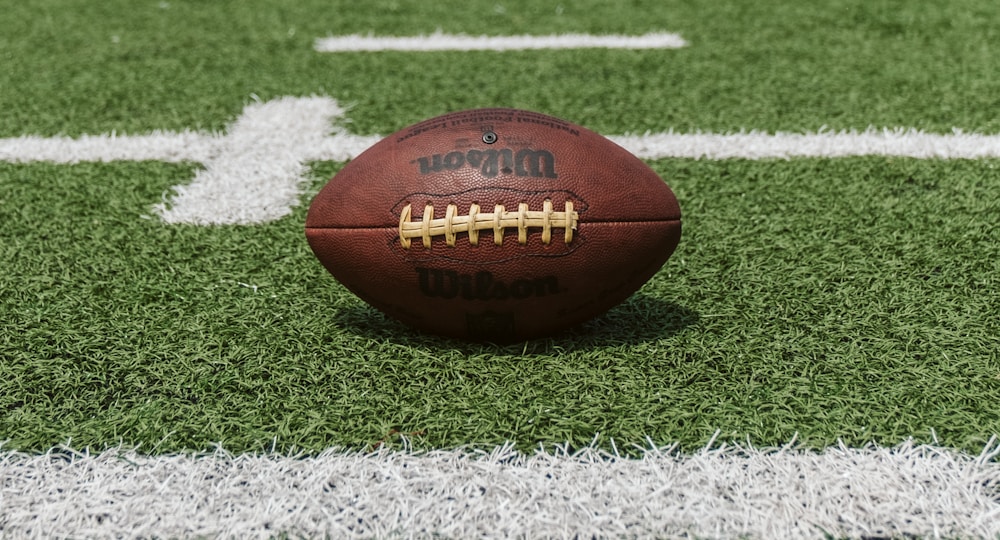
With contract negotiations concluded early, the Chiefs head into training camp without any holdout distractions. This allows the coaching staff to install defensive and offensive playbooks with complete focus and stability, ensuring that everyone is on the same page from day one.
The team's receivers can immediately establish target timing and routes with their primary passer. For new free-agent acquisitions and rookies, having the franchise leader present on day one of camp speeds up their onboarding and builds strong locker room cohesion. It allows the team to hit the ground running when the regular season begins.
Head Coach Andy Reid noted in a press conference that having the contract settled early is a huge relief for the entire organization. "We can just focus on football now," Reid said. "The front office did a great job getting this done before we got to St. Joseph. It sets the tone for the entire camp."
7. AFC Championship Odds Shift After QB Contract News
Las Vegas sportsbooks responded immediately to the news. The certainty surrounding the quarterback's presence shifted the Chiefs' futures odds, making them the singular favorites to win the AFC Championship and placing them in prime position for another deep postseason run.
Odds shifted from +320 down to +275 at major sportsbooks such as DraftKings and FanDuel, reflecting massive public confidence and a surge of betting activity. The rest of the AFC must now prepare for a highly stable and well-funded Kansas City roster ready to fight for championship glory once again.
Bookmakers expect the odds to shorten even further as training camp progresses and positive reports emerge. Bettors are eager to get their money down on the Chiefs early, betting on the stability and proven championship pedigree that the team now enjoys.
- Kansas City Chiefs+275
- Buffalo Bills+450
- Baltimore Ravens+500
- Cincinnati Bengals+650
8. The Rookie Tackle Tasked With Protecting the $220M Investment

With $220 million committed to their franchise quarterback, the Kansas City front office knew their highest priority in the draft was reinforcing the offensive line. Enter their first-round draft selection, a massive 6-foot-6, 315-pound offensive tackle from the Big 12, who has been immediately inserted into the starting left tackle competition. Protecting the quarterback's blind side isn't just an assignment; it is the key to maintaining the franchise's multi-million dollar investment.
During OTAs, scouts noted the rookie's impressive footwork and punch timing. Although transitioning from college block schemes to Andy Reid's complex pass-protection playbook is a steep learning curve, the rookie has benefited from working directly with veterans. The coaching staff plans to utilize heavy tight-end chips and slide protections early in the season to ease his transition, but the ultimate goal is for him to become a standalone anchor on the left side of the line.
Statistically, the Chiefs' offensive line ranked 12th in pass-block win rate last season, a number the front office is determined to improve. The rookie's presence also allows the coaching staff to move versatile linemen back to their natural interior positions, shoring up a run-blocking unit that will be crucial for late-game clock management.
9. Defensive Blueprint: Offsetting the Offense's Cap Footprint

Devoting a massive share of the salary cap to the offensive side of the ball means the defensive coordinator must do more with less. With several high-priced defensive veterans departed in free agency, the Chiefs' defensive system is transitioning into a younger, faster, and highly aggressive unit. The strategy centers around disguised blitz packages, post-snap coverage rotations, and generating pressure with a rotational front four.
The defensive coordinator's blueprint relies heavily on versatility in the secondary. Safeties and cornerbacks must switch assignments seamlessly, playing hybrid roles that keep opposing coordinators guessing. This high-risk, high-reward approach relies on players on cheap rookie contracts outperforming their market value.
- Heavy reliance on draft development to replace departed veteran starters.
- Disguised Sim-Pressures to force quick decisions from opposing QBs.
- A deep rotational front line to keep pass-rushers fresh for the fourth quarter.
"We don't need Pro Bowlers at every position; we need guys who execute the scheme with speed and discipline," the coordinator stated. The pressure will be on the defensive line to win one-on-one matchups, preventing opposing offenses from executing long, cap-exhausting drives that keep the Chiefs' star quarterback off the field.
10. Salary Cap Wizardry: Future Option Restructures Explained

While a $220 million headline figure sounds prohibitive, the true genius of the contract lies in its structural malleability. The front office has integrated automatic conversion triggers in the 2028, 2029, and 2030 league years. These clauses allow the team to unilaterally convert base salaries into signing option bonuses, spreading the cap hit over future seasons and creating immediate spending power.
By utilizing this accounting mechanism, the Chiefs can generate between $15 million and $25 million in cap relief in any given offseason. This room is specifically reserved to extend key receiving weapons and sign premium defensive pieces. The table below outlines the projected cap space savings under various restructuring scenarios:
| League Year | Original Cap Hit | Post-Restructure Cap Hit | Immediate Cap Savings | Future Cap Carryover |
|---|---|---|---|---|
| 2028 | $36,000,000 | $21,000,000 | $15,000,000 | $3,750,000 / year |
| 2029 | $42,000,000 | $22,000,000 | $20,000,000 | $5,000,000 / year |
| 2030 | $47,000,000 | $25,000,000 | $22,000,000 | $5,500,000 / year |
This salary cap wizardry ensures that the team is never truly "cap-strapped" despite paying top-of-market rates for their quarterback. It is a long-term strategy that leverages expanding media rights revenues, ensuring the Chiefs can maintain their competitive edge for the lifetime of the contract.
Super Bowl LXI 2027: Who Will Lift the Lombardi Trophy?
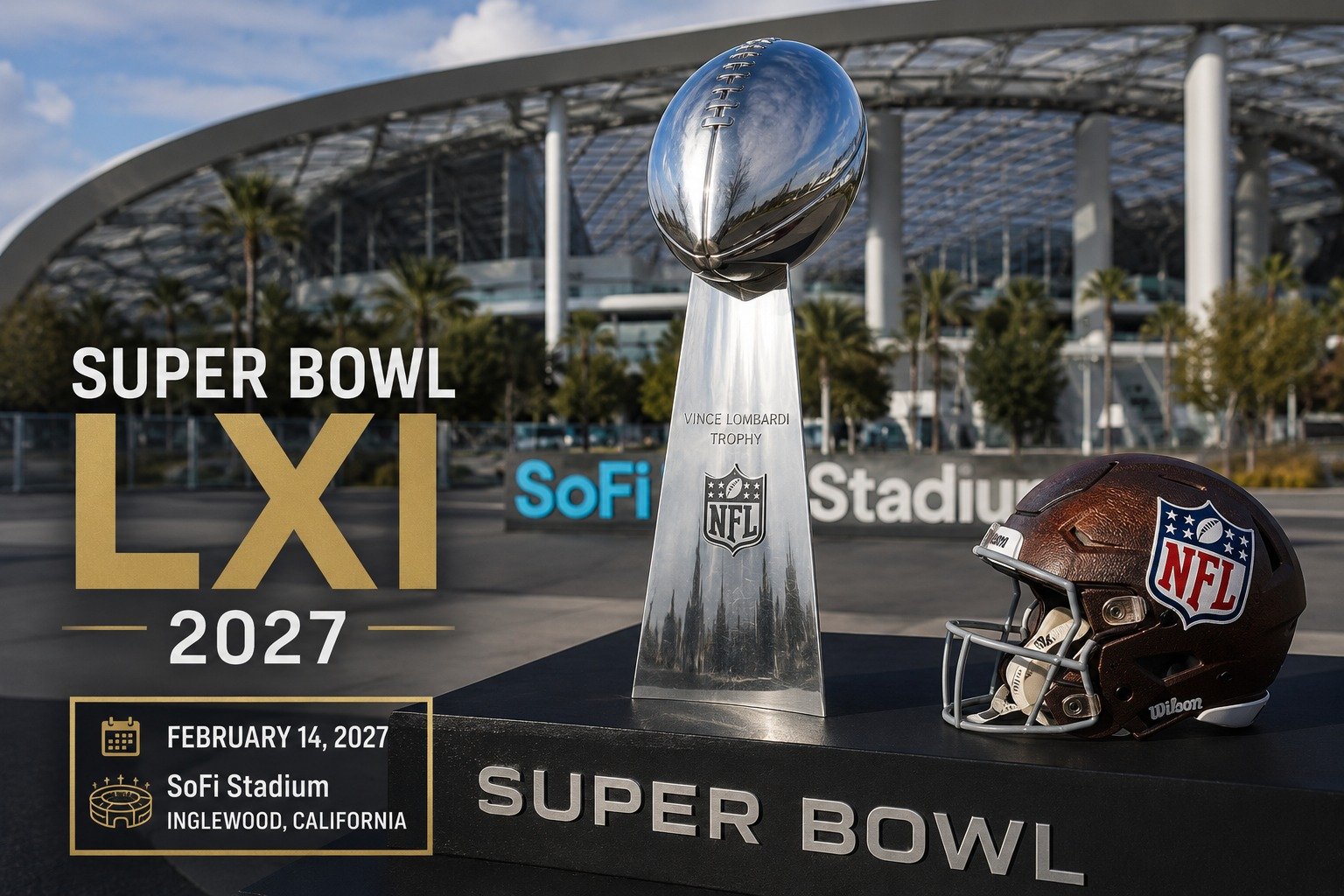
11. Super Bowl LXI 2027: Overview
The road to Super Bowl LXI is already creating plenty of excitement among NFL fans. The biggest game in American football is scheduled for February 14, 2027, at SoFi Stadium in Inglewood, California, where the next Super Bowl champion will be crowned.
But with the 2026 NFL season still ahead, one major question remains: Which team will lift the Lombardi Trophy in 2027?
The answer will depend on injuries, quarterback play, coaching decisions, regular-season form and, ultimately, which teams can perform under pressure in the playoffs.
Feb 14
Super Bowl LXI Date2027
Championship YearSoFi
Stadium, Inglewood CA12. What Is Super Bowl LXI?
Super Bowl LXI will be the championship game of the 2026 NFL season. It will bring together the AFC and NFC champions for the final game of the season.
The game will take place at SoFi Stadium, home of the Los Angeles Chargers and Los Angeles Rams. The NFL previously approved the stadium as the host venue for Super Bowl LXI.
13. Which Teams Could Reach Super Bowl LXI?
Predicting the two Super Bowl finalists this early is difficult. The NFL season can change quickly due to injuries, trades, unexpected breakout players, and shifts in team form.
However, several teams are expected to enter the 2026 season with serious championship ambitions.
14. AFC Contenders
The AFC is likely to produce some of the toughest competition in the NFL. Teams with strong quarterbacks, reliable defenses, and experienced coaching staffs could emerge as serious Super Bowl contenders.
The Kansas City Chiefs remain one of the biggest names to watch. Their recent history of deep playoff runs makes them an obvious team to consider whenever Super Bowl predictions are discussed.
Other AFC teams could also challenge for the conference title, particularly if they can maintain consistency throughout the regular season.
- Kansas City ChiefsDefending AFC Powers
- Baltimore RavensDual-Threat Threat
- Buffalo BillsRevamped Passing Attack
- Cincinnati BengalsChampionship Experience
15. NFC Contenders
The NFC could be equally competitive. Teams with strong defensive units and efficient offenses will have a major advantage during the long regular season and postseason.
The Seattle Seahawks, who won Super Bowl LX, will enter the new season with the pressure of defending their championship.
The defending champions will have to deal with the challenge of being the team everyone wants to beat.
- Seattle SeahawksDefending Champions (SB LX)
- San Francisco 49ersDefensive Powerhouse
- Detroit LionsRising Contender
- Philadelphia EaglesBalanced Roster
16. Why Quarterback Play Could Decide Super Bowl LXI
Quarterbacks traditionally receive much of the attention during the Super Bowl, and that is unlikely to change in 2027.
A quarterback who can remain calm under pressure, avoid costly turnovers and make big plays in crucial moments could make the difference between winning and losing.
The NFL's best teams often have one thing in common: they can rely on their quarterback when the game is on the line.
- Poise under pressure — avoiding costly turnovers in big moments.
- Big-play ability — creating explosive plays when it matters most.
- Two-minute drill mastery — managing the clock in critical late-game situations.
- Playoff experience — understanding the magnitude of championship football.
17. The Importance of Defense
While offensive stars usually attract the headlines, defense could ultimately decide Super Bowl LXI.
A dominant defensive line can pressure the quarterback, while a strong secondary can limit big passing plays. In a close Super Bowl, a single sack, interception, or forced fumble could completely change the game.
Teams hoping to win the Lombardi Trophy will need to be strong on both sides of the ball.
- Defensive line pressure — disrupting the opposing quarterback's rhythm.
- Strong secondary — limiting big passing plays and protecting the deep zones.
- Turnover generation — a single forced fumble or interception can change the game.
18. SoFi Stadium Set for Another Super Bowl
Super Bowl LXI will return to SoFi Stadium in February 2027. The venue previously hosted Super Bowl LVI and will once again become the center of the American football world.
The Los Angeles area is expected to attract thousands of fans for the championship weekend, creating a major sporting atmosphere.
19. Our Early Super Bowl Prediction
At this stage, choosing a definite winner would be premature.
The 2026 NFL season has not yet played out, and teams can change dramatically over the course of a season. A preseason favorite could struggle, while an underdog could emerge as a serious championship contender.
Still, the teams with the strongest combination of quarterback talent, coaching, defense, offensive consistency and playoff experience are likely to have the best chance.
If the season follows expectations, expect a battle between established contenders and emerging teams that can peak at the right time.
The eventual Super Bowl LXI champion will not necessarily be the team with the best regular-season record. It will be the team that performs when the pressure is highest.
20. Final Thoughts
Super Bowl LXI is already shaping up to be one of the biggest sporting events of 2027. With the championship scheduled for February 14 at SoFi Stadium, NFL fans have plenty to look forward to.
The real drama will begin when the 2026 NFL season gets underway. As the season progresses, injuries, rivalries, breakout stars and playoff races will gradually reveal which teams have a realistic chance of reaching Los Angeles.
For now, one question remains unanswered:
2027 Champions League Final: Who Will Be Crowned European Champions?

21. 2027 Champions League Final: Overview
The race for the 2027 UEFA Champions League trophy is underway, and Europe's biggest clubs are preparing for another thrilling campaign. The season will culminate in the Champions League Final on June 5, 2027, at the Estadio Metropolitano in Madrid, Spain.
The 2026/27 Champions League features 36 teams in the league phase. Clubs will compete for places in the knockout rounds before the quarter-finals, semi-finals and ultimately the final in Madrid.
June 5
Final Date2027
Championship YearMadrid
Estadio Metropolitano22. Who Are the Favorites?
Several European giants will have their eyes on the trophy. Paris Saint-Germain, the reigning champions, will look to defend their title, while clubs such as Real Madrid, Barcelona, Manchester City, Bayern Munich, Liverpool and Arsenal will be among the teams expected to challenge for European glory.
However, the Champions League has a history of producing surprises, and an underdog could emerge during the knockout stages.
- Paris Saint-GermainDefending Champions
- Real MadridEuropean Royalty
- Manchester CityTactical Masters
- Bayern MunichGerman Giants
- Liverpool / ArsenalEnglish Challengers
23. When and Where Is the 2027 Champions League Final?
The final took place on Saturday, June 5, 2027, at Atlético Madrid's Estadio Metropolitano. It will be the second Champions League final hosted by the stadium, which previously staged the 2019 final between Liverpool and Tottenham.
24. The Road to Madrid
The 2026/27 Champions League features 36 teams competing in the league phase. The top eight clubs advance directly to the round of 16, while teams finishing 9th to 24th enter a knockout playoff round.
From there, the tournament follows a traditional bracket format through the quarter-finals and semi-finals, before the two finalists meet in Madrid on June 5, 2027.
- League phase (36 teams) — October to January.
- Knockout playoffs — February.
- Round of 16 & Quarter-finals — March to April.
- Semi-finals — April to May.
- Final — June 5, 2027, Estadio Metropolitano, Madrid.
25. Who Will Lift the Trophy?
It is too early to name a definite winner. Injuries, form, transfers and knockout-stage performances could completely change the picture before June.
One thing is certain: the road to Madrid will be packed with high-stakes football, and only one club will leave the Metropolitano as European champion.
26. Final Thoughts
With the final set for June 5, 2027, football fans already have a date to circle on their calendars. The biggest question now is simple:
2026 NFL International Games: The NFL Takes Over the World
27. 2026 NFL International Games: Overview
The 2026 NFL International Games will take American football to fans across the globe. With nine regular-season games scheduled outside the United States, the NFL is expanding its international presence across seven countries and four continents.
From Australia and Brazil to Europe and Mexico, the 2026 season promises exciting matchups, iconic stadiums and a unique experience for international football fans.
9
Global Games7
Countries4
Continents28. Where Are the International Games Played?
The 2026 international schedule includes several major sporting destinations around the world:
- 🇦🇺 Melbourne, Australia: The San Francisco 49ers and Los Angeles Rams are scheduled to meet at the Melbourne Cricket Ground. This will be a major moment for Australian NFL fans and a landmark event for the league's international expansion.
- 🇧🇷 Rio de Janeiro, Brazil: The Baltimore Ravens and Dallas Cowboys will face off at the famous Maracanã Stadium, continuing the NFL's growing presence in Brazil.
- 🇬🇧 London, England: London remains one of the NFL's biggest international markets, with three games scheduled across Wembley Stadium and Tottenham Hotspur Stadium.
- 🇫🇷 Paris, France: France will welcome an NFL regular-season game featuring the Pittsburgh Steelers and New Orleans Saints at Stade de France.
- 🇪🇸 Madrid, Spain: The Cincinnati Bengals and Atlanta Falcons are scheduled to play at Santiago Bernabéu Stadium, home of Real Madrid.
- 🇩🇪 Munich, Germany: The New England Patriots and Detroit Lions will meet at FC Bayern Munich Stadium, continuing the NFL's relationship with German fans.
- 🇲🇽 Mexico City, Mexico: The Minnesota Vikings and San Francisco 49ers are scheduled to play in Mexico City at Estadio Banorte.
29. Why Are the International Games Important?
The NFL's international games are designed to grow the sport beyond the United States. These games give international fans the chance to watch NFL teams live while helping clubs develop stronger connections with local supporters.
The 2026 schedule is particularly important because it introduces or expands the NFL's presence in several markets. The league is using games, fan events and youth programs to build long-term interest in American football.
30. What Can Fans Expect & Final Thoughts
Fans attending an international NFL game can expect more than just football. Stadium entertainment, team merchandise, fan activities and local cultural experiences make each event unique. For travelers, these games can also be an excellent opportunity to combine NFL football with an international vacation.
The 2026 NFL International Games show just how far American football has expanded around the world. With nine games across seven countries, fans from Australia to Europe and Mexico will have the opportunity to experience NFL football in person.
NFL Madrid Game 2026: Bengals vs. Falcons Set to Take Over Madrid
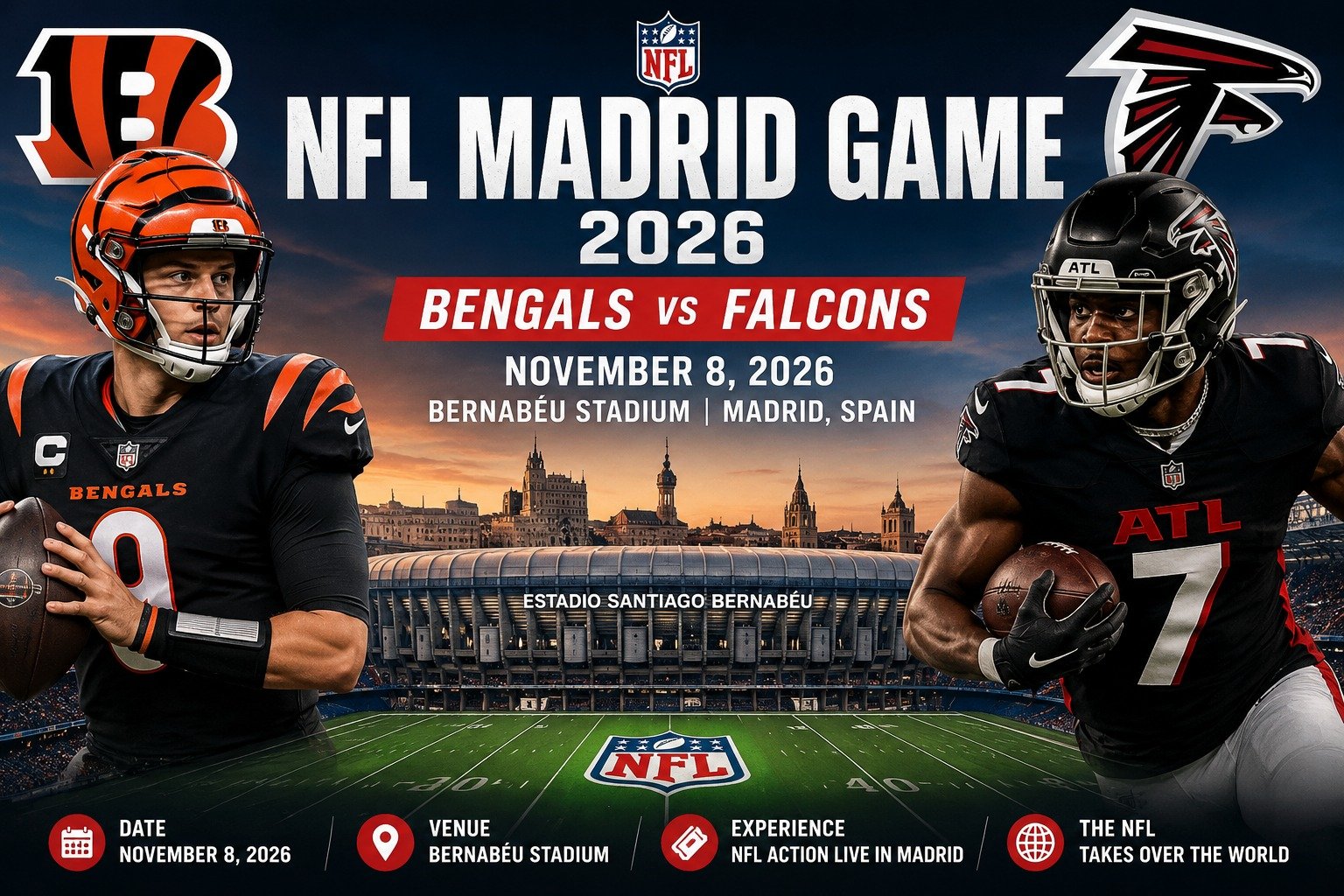
31. NFL Madrid Game 2026: Overview & Key Details
The NFL Madrid Game 2026 is set to bring the excitement of American football to Spain. On November 8, 2026, the Cincinnati Bengals will face the Atlanta Falcons at the iconic Bernabéu Stadium in Madrid.
The game is part of the NFL's growing international schedule and will give Spanish fans the opportunity to watch a regular-season NFL matchup live in one of Europe's most famous sporting venues.
Nov 8
Game Date 2026CIN vs ATL
Bengals vs. FalconsBernabéu
Madrid, Spain3:30 PM
Local Kickoff32. Players to Watch & A Special Game at the Bernabéu
Bringing a regular-season game to Spain allows the league to connect with its growing Spanish fanbase and introduce the sport to even more new supporters. For fans who normally watch NFL games on television, the Madrid Game offers a rare opportunity to experience the atmosphere of professional American football in person.
The matchup features several talented stars: the Cincinnati Bengals bring elite playmakers like quarterback Joe Burrow and wide receiver Ja'Marr Chase, while the Atlanta Falcons feature dynamic offensive talents Bijan Robinson and Drake London.
The Bernabéu Stadium is one of the most recognizable sports venues in the world. Best known as the home of Real Madrid, the stadium will take on a legendary atmosphere when NFL football arrives on November 8.
33. Why the Madrid Game Matters & Final Thoughts
Fans attending the Madrid Game can expect more than just football — stadium entertainment, team merchandise, interactive fan zones, and a festive game-day atmosphere. Visitors traveling to Madrid can also combine the game with a city trip exploring the Spanish capital.
Hosting games in major global hubs helps the NFL develop new audiences while giving existing international fans a chance to see their favorite teams live. For Spain, the Madrid Game is another milestone in the country's rising sports profile.
49ers vs Rams in Australia: Historic NFL Season Opener Set for September 11, 2026
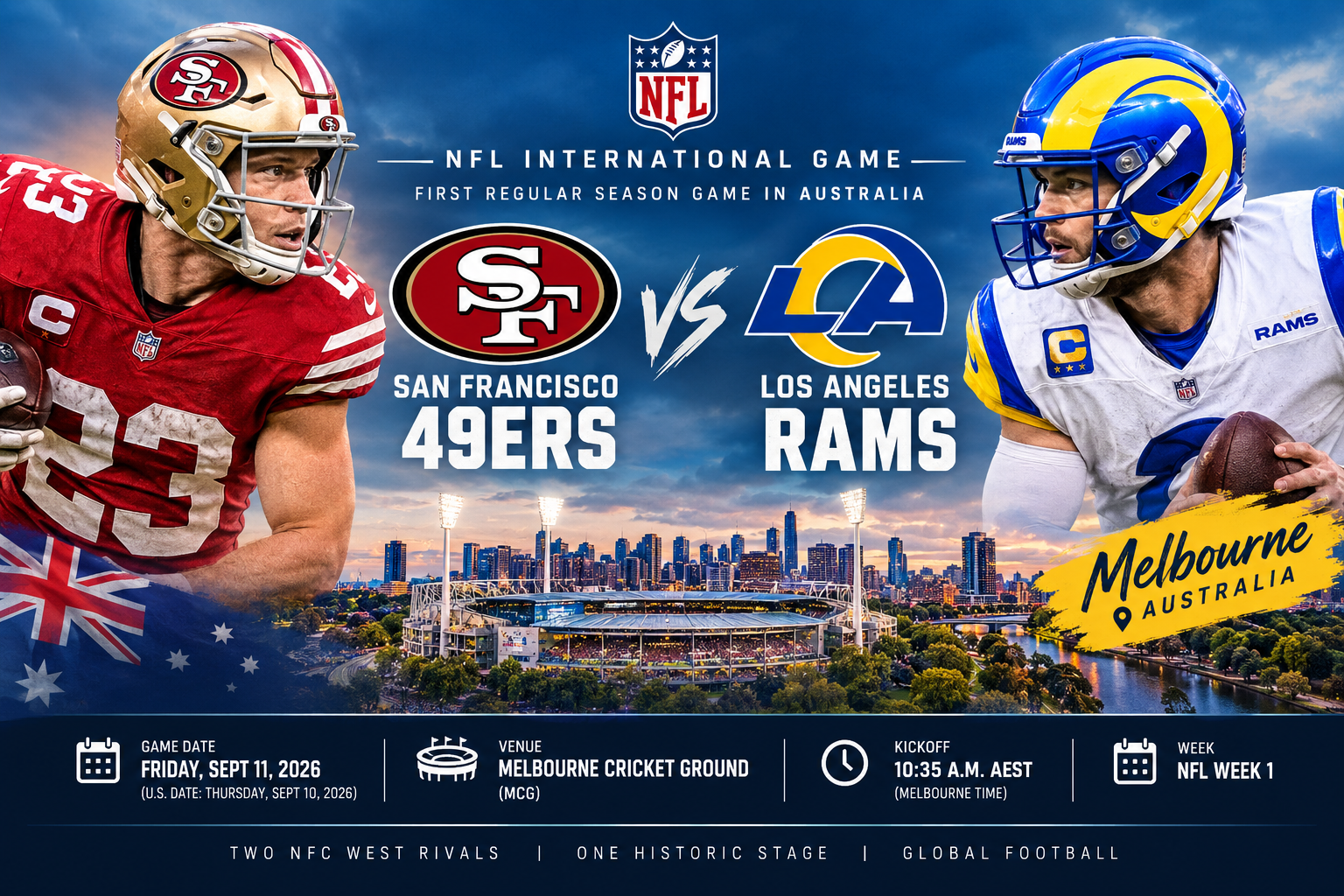
34. 49ers vs Rams in Australia: Overview & Historic Debut
The San Francisco 49ers vs Los Angeles Rams are set to make NFL history when they meet at the Melbourne Cricket Ground (MCG) in Australia for the opening week of the 2026 regular season.
The highly anticipated matchup will take place on Friday, September 11, 2026, in Melbourne, marking the first-ever NFL regular-season game played in Australia. For fans in the United States, the game will be played on Thursday evening, September 10.
Sep 11
Game Date 2026SF vs LAR
49ers vs. RamsMCG
Melbourne, Australia10:35 AM
AEST Kickoff35. 49ers vs Rams: Match Details
When and Where Is the Game?
The Rams and 49ers will meet at the iconic Melbourne Cricket Ground, one of Australia's most famous sporting venues.
- Matchup: San Francisco 49ers vs Los Angeles Rams
- Date: Friday, September 11, 2026
- U.S. Date: Thursday, September 10, 2026
- Kickoff: 10:35 a.m. AEST
- Venue: Melbourne Cricket Ground (MCG)
- City: Melbourne, Australia
- Week: NFL Week 1
- Game Status: Scheduled
The MCG will open its stadium campus at 7 a.m. on game day, giving fans several hours of activities before kickoff.
36. A Historic Moment for the NFL
NFL Makes Its Australian Debut
The matchup represents a major milestone in the NFL's international expansion. The league has staged regular-season games in several countries, but the San Francisco 49ers vs Los Angeles Rams matchup will be the NFL's first regular-season game in Australia.
The event is expected to attract a huge crowd at the MCG, which has a capacity of around 100,000 for major sporting events. The NFL has also prepared an extensive international production and fan experience around the game.
49ers and Rams Bring a Familiar Rivalry Down Under
Although the game is being played thousands of miles from California, the matchup features two familiar NFC West rivals.
The 49ers and Rams have a long-standing divisional rivalry, making the historic international game even more intriguing. Both teams will begin their 2026 campaigns with the opportunity to start the season with an important conference victory.
37. Key Storylines Ahead of the Game
49ers Adapt to Life in Australia
The 49ers arrived in Melbourne well ahead of the game to help their players adjust to the major time-zone difference.
Head coach Kyle Shanahan and the team's staff have used carefully planned schedules involving sleep, nutrition and training to prepare for the unusual Friday-morning kickoff in Australia.
Rams Take a Different Approach
The Rams have chosen a very different preparation strategy. Rather than arriving in Australia a week early, Los Angeles planned to arrive much closer to game day while attempting to maintain its normal routine.
That creates an interesting contrast between the two teams, particularly because of the enormous distance and time-zone difference involved in traveling from California to Australia.
38. Players and Matchup to Watch
San Francisco 49ers
The 49ers enter the season with plenty of offensive firepower and experienced stars. Christian McCaffrey remains one of the biggest names to watch, while the team's veteran leadership will be important in handling the unusual circumstances surrounding the season opener.
Wide receiver Mike Evans is also expected to add another major weapon to San Francisco's offense after joining the team during the offseason.
Los Angeles Rams
The Rams also have plenty of offensive talent and will look to make an immediate statement in their international season opener.
Playing as the designated home team in Melbourne, Los Angeles will hope to use its familiarity with its roster and game plan to overcome the unusual travel situation.
39. How to Watch & Why This Game Matters
Streaming and Broadcast Information
The historic Melbourne matchup is expected to receive extensive international coverage. In the United States, the game is scheduled for Thursday evening, while Australian viewers will watch it Friday morning.
The NFL has also highlighted the game as a major part of its international expansion strategy, with the event being distributed to audiences around the world.
Why This Game Matters
The San Francisco 49ers vs Los Angeles Rams matchup is more than just another Week 1 game. It represents the NFL's continued effort to build a global audience and introduce American football to new markets.
With a historic venue, two NFC West rivals and an international audience watching, the game could become one of the most memorable opening-week events of the 2026 NFL season.
Final Takeaway
The San Francisco 49ers vs Los Angeles Rams matchup on September 11, 2026, in Melbourne will be a landmark event for American football.
With the NFL making its Australian regular-season debut, thousands of fans expected at the MCG and two familiar NFC West rivals battling for an opening-week victory, football fans around the world will have plenty of reasons to watch.
Note: The game has not yet been played, so there is no final score or winner to report at this time.